Visual reference

Dangerous plants of North America

A side-by-side photo guide to the harmful plants most likely to ruin a hike, a garden day, or a backyard cleanup. Bookmark this page so you have it on hand the next time you're not sure what you're looking at.

Not a substitute for expert identification. If a plant could be water hemlock or manchineel, don't touch or taste it. When in doubt, snap a photo and run a free check.

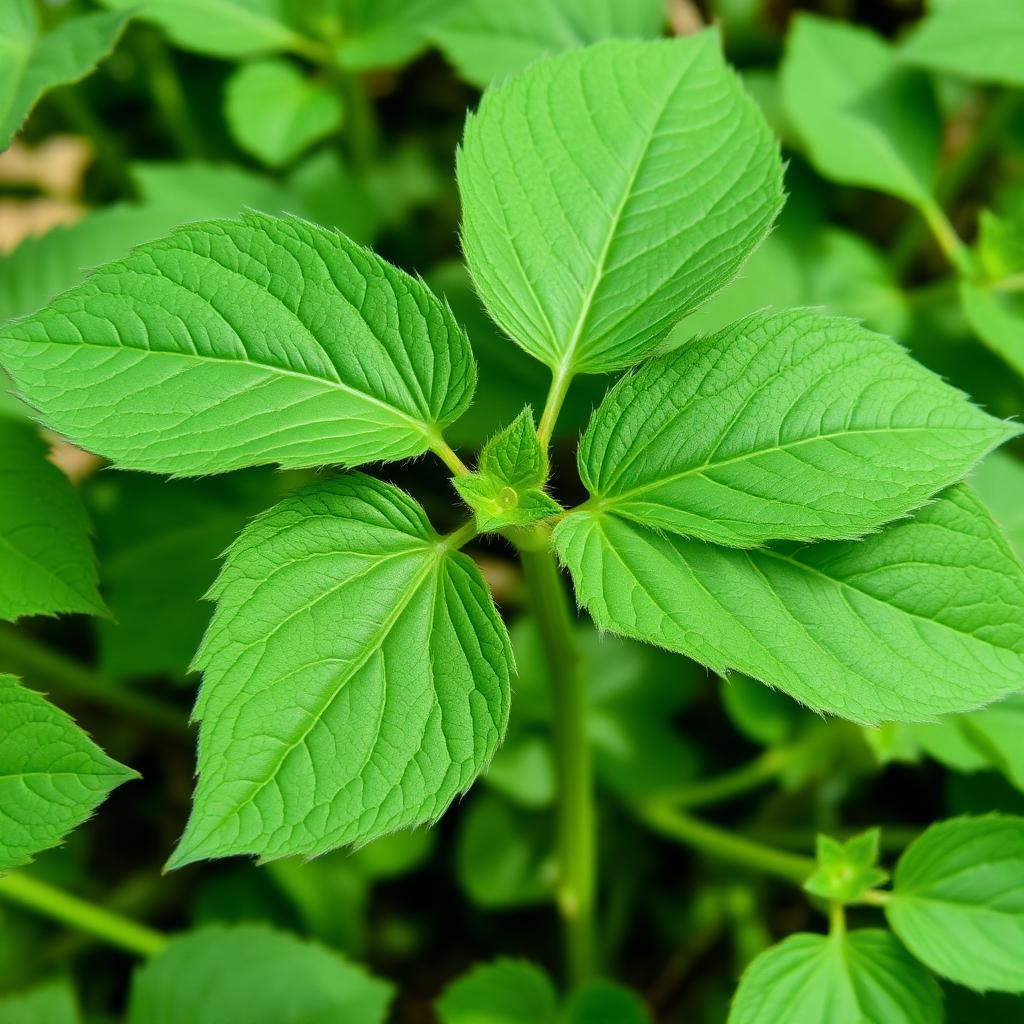
Poison Ivy (Toxicodendron radicans / rydbergii) — reference photo
High danger

Poison Ivy

Toxicodendron radicans / rydbergii

Causes blistering rash from urushiol oil.

Range: Throughout the contiguous US and southern Canada
Habitat: Forest edges, fence lines, riverbanks, backyards
How to identify
  • Three pointed leaflets per stem (middle leaflet on a longer stalk)
  • Leaves shiny in spring, dull green in summer, red/orange in fall
  • Grows as a low shrub, ground cover, or hairy climbing vine
  • Clusters of small white-ish berries in late summer

Itchy red rash and blisters appearing 12–72 hours after contact.
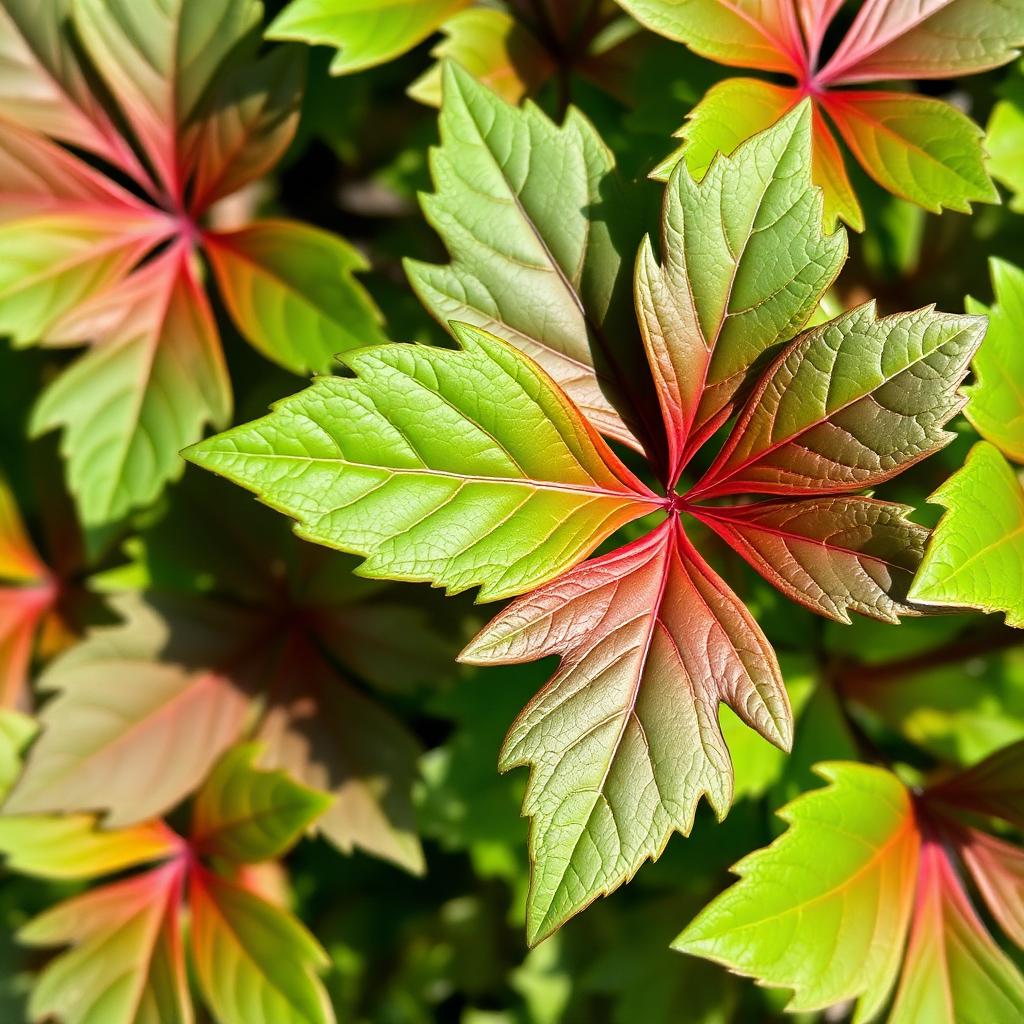
Poison Oak (Toxicodendron diversilobum / pubescens) — reference photo
High danger

Poison Oak

Toxicodendron diversilobum / pubescens

Same urushiol oil as poison ivy.

Range: West Coast (Pacific) and Southeast (Atlantic)
Habitat: Dry woodlands, chaparral, oak forests, coastal scrub
How to identify
  • Three leaflets with rounded, lobed edges resembling small oak leaves
  • Often glossy, sometimes fuzzy underneath
  • Grows as a dense shrub or climbing vine
  • Bright red foliage in fall, bare stems in winter

Same blistering, itchy rash as poison ivy.

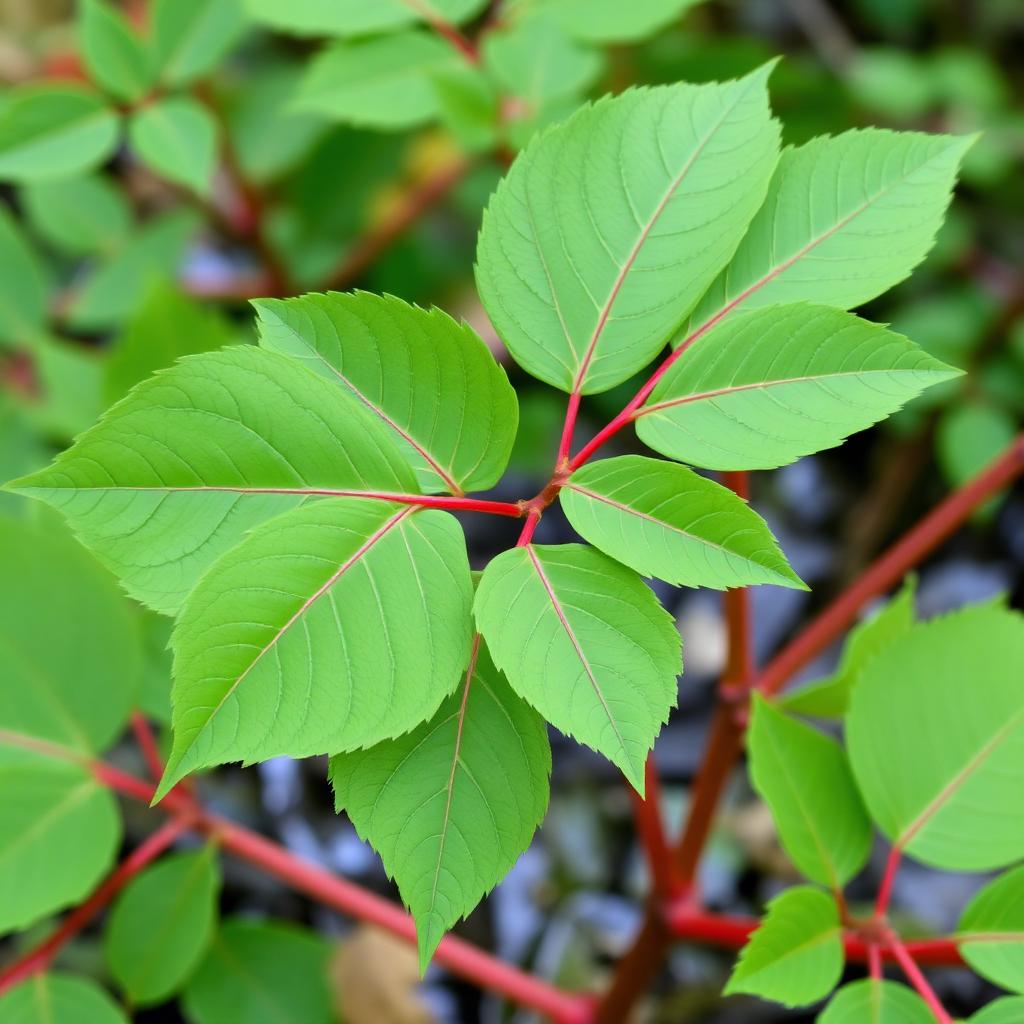
Poison Sumac (Toxicodendron vernix) — reference photo
High danger

Poison Sumac

Toxicodendron vernix

Often considered the most potent of the three urushiol plants.

Range: Eastern US, especially the Southeast and Great Lakes
Habitat: Swamps, bogs, wet woodlands — almost always near standing water
How to identify
  • 7 to 13 smooth-edged leaflets in pairs along a red stem
  • Tall woody shrub or small tree (5–20 ft)
  • Drooping clusters of small white or gray berries
  • Brilliant red-orange foliage in autumn

Severe blistering rash; smoke from burning plants is dangerous to inhale.

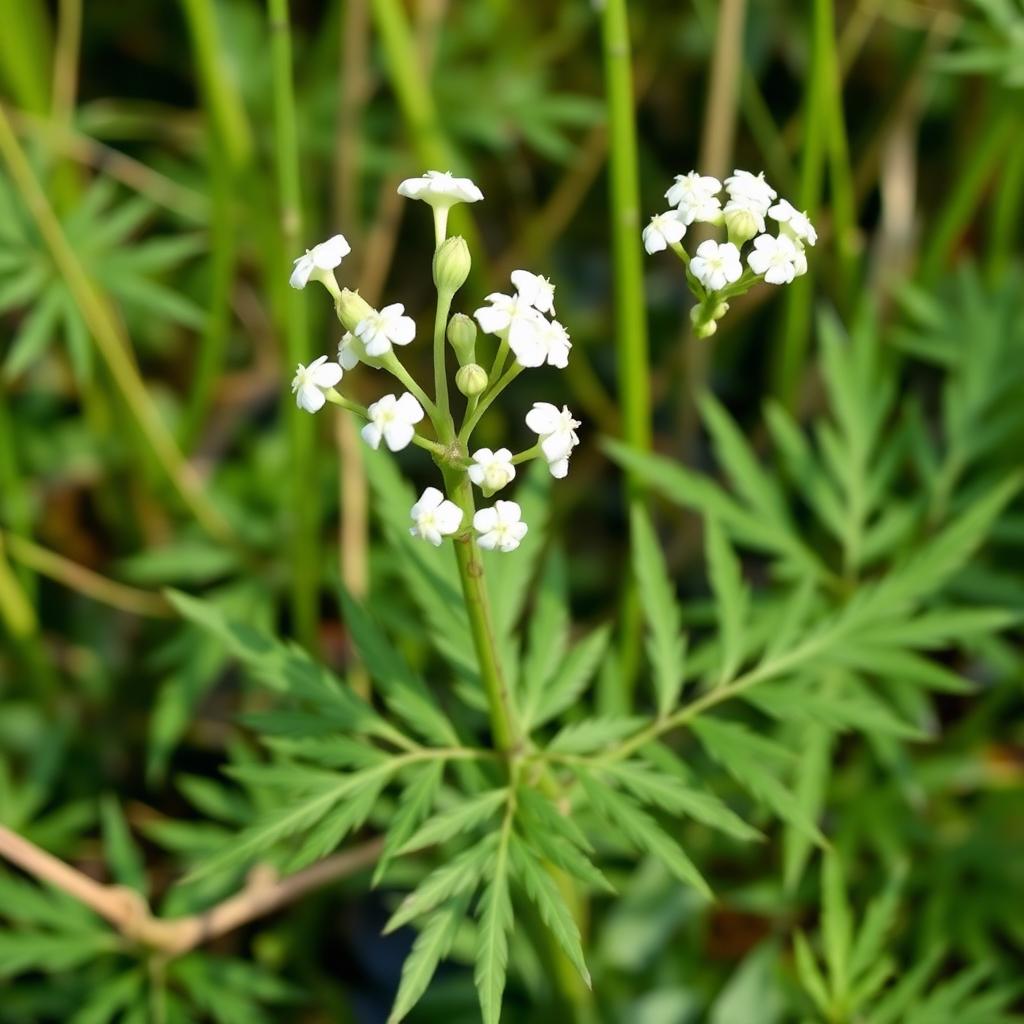
Water Hemlock (Cicuta maculata) — reference photo
Extreme danger

Water Hemlock

Cicuta maculata

Considered the most toxic plant in North America — fatal if ingested.

Range: All US states and most of Canada
Habitat: Wet meadows, marshes, ditches, streambanks
How to identify
  • Small white flowers in umbrella-shaped (umbel) clusters
  • Smooth, hollow green stem with purple streaks or blotches
  • Narrow, lance-shaped leaflets with sharp serrated edges
  • Thick tuberous roots that smell like raw parsnip when cut

Ingestion causes violent seizures within 15–60 minutes and can be fatal. Never taste, chew, or handle the roots without gloves.

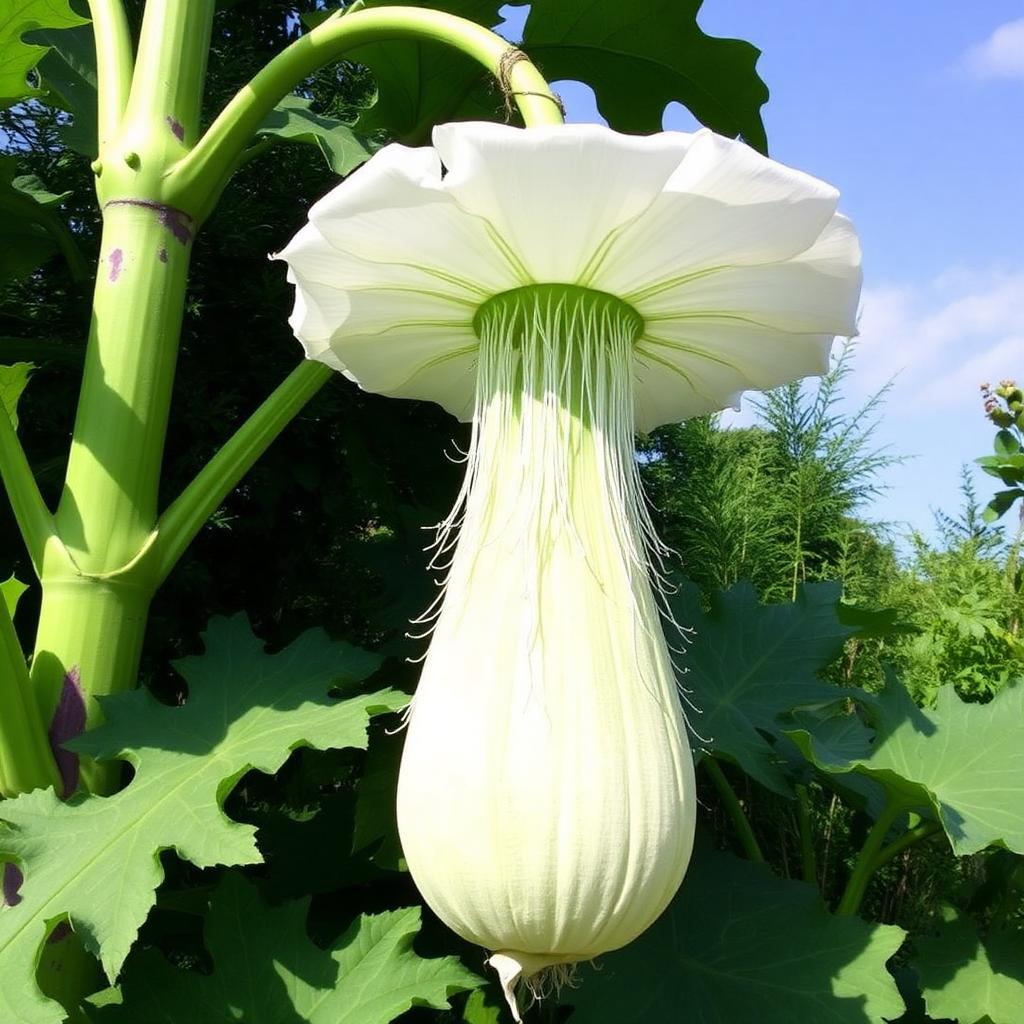
Giant Hogweed (Heracleum mantegazzianum) — reference photo
High danger

Giant Hogweed

Heracleum mantegazzianum

Sap causes severe burns and permanent scarring in sunlight.

Range: Northeast, Mid-Atlantic, Pacific Northwest, Great Lakes
Habitat: Roadsides, streambanks, abandoned lots, riparian areas
How to identify
  • Towering plant, 8–14 ft tall when flowering
  • Massive white umbrella-shaped flower clusters up to 2.5 ft wide
  • Thick green stem with purple blotches and stiff white bristles
  • Enormous deeply lobed leaves up to 5 ft across

Sap on skin reacts with sunlight (phytophotodermatitis) within 15 minutes, causing painful burns, blisters, and dark scarring that can last years. Eye contact can cause blindness.

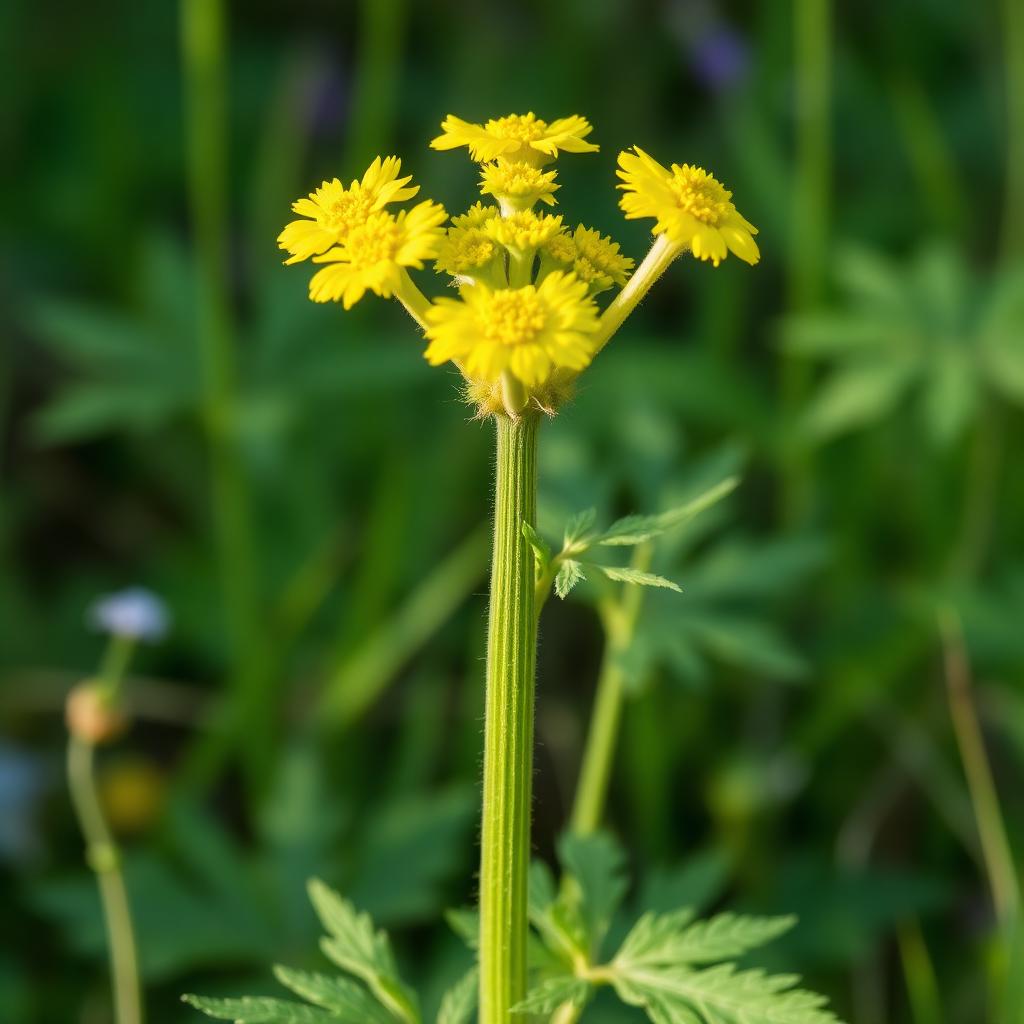
Wild Parsnip (Pastinaca sativa) — reference photo
Moderate danger

Wild Parsnip

Pastinaca sativa

Sap causes painful sun-triggered burns.

Range: Most of the US and southern Canada
Habitat: Roadsides, prairies, pastures, disturbed ground
How to identify
  • Flat-topped clusters of small yellow flowers
  • Tall (2–5 ft) grooved green stem
  • Compound leaves with toothed, mitten-shaped leaflets
  • Smells like parsnip when crushed

Sap plus sunlight produces red blisters and brown scarring 24–48 hours after exposure.

Stinging Nettle (Urtica dioica) — reference photo
Moderate danger

Stinging Nettle

Urtica dioica

Hair-like needles inject irritating chemicals on contact.

Range: Throughout the US and Canada
Habitat: Moist woodlands, streamsides, gardens, disturbed soil
How to identify
  • Heart-shaped leaves with deeply serrated edges, in opposite pairs
  • Square stems covered in fine stinging hairs
  • Tiny green-white flowers in dangling clusters
  • Grows 3–6 ft tall in dense colonies

Immediate stinging, burning, and itchy welts that usually fade within a few hours.

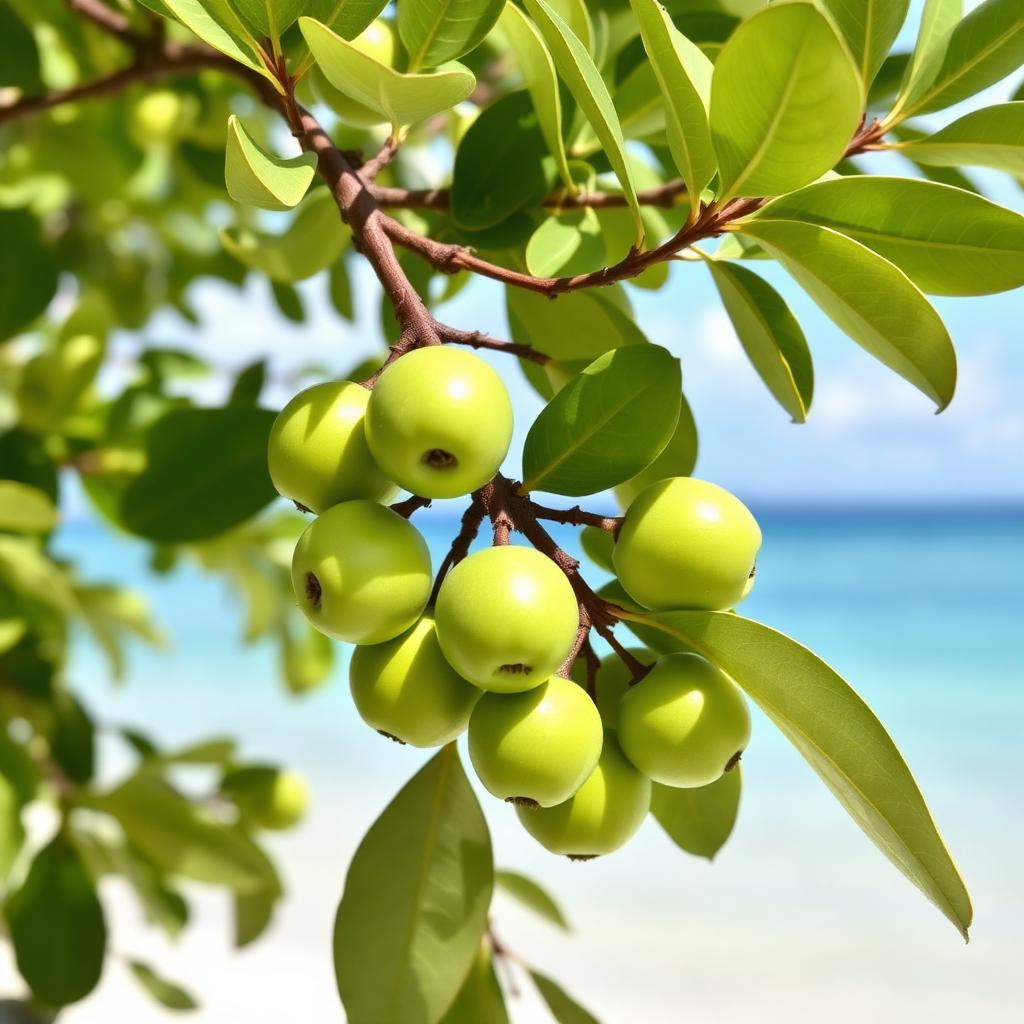
Manchineel Tree (Hippomane mancinella) — reference photo
Extreme danger

Manchineel Tree

Hippomane mancinella

One of the most toxic trees in the world — every part is poisonous.

Range: Coastal South Florida, the Caribbean, and Gulf shorelines
Habitat: Sandy beaches, mangroves, brackish coastal areas
How to identify
  • Small evergreen tree (up to 50 ft) with a broad, spreading crown
  • Glossy oval green leaves with finely serrated edges
  • Small green fruit resembling miniature apples ("beach apples")
  • Often marked with red paint or warning signs in Florida parks

Sap causes severe blistering burns; eating the fruit can be fatal; even standing under the tree in rain can blister skin. Do not touch, eat, or burn.

Spotted one of these in the wild?

Get a free instant safety check — no signup, no app to install.

Check a plant now →

Is It Poison Ivy? is an AI-assisted identification tool, not a medical device. Results are never 100% certain. When in doubt, do not touch any plant. If you believe you've been exposed to a toxic plant, call Poison Control immediately: 1-800-222-1222. This tool is for educational purposes only.